Occupational Therapy Services
Sensory Regulation
Sensory Regulation
Sensory Regulation

Sensory regulation refers to a child’s ability to manage their level of alertness, emotions, and behavior in response to sensory input.
Signs a Child May Have Sensory Regulation Difficulties-
- Overreacting to sounds, lights, textures, or touch
- Avoiding certain clothing, foods, or grooming tasks
- Seeking constant movement (spinning, jumping, crashing)
- Difficulty sitting still or focusing
- Becoming easily overwhelmed, emotional, or fatigued
- Difficulty with transitions or changes in routine
gross motor skills
Sensory Regulation
Sensory Regulation
Gross motor skills involve the large muscles of the body and allow children to move, play, and explore their environment. These skills are essential for coordination, balance, strength, and overall body awareness. Strong gross motor skills support a child’s ability to participate confidently in play, school activities, sports, and daily routines.
Signs a Child May Have Gross Motor Difficulties-
- Poor balance or frequent falls
- Difficulty with coordination or body awareness
- Trouble navigating playground equipment
- Low muscle tone or decreased strength
- Difficulty sitting upright or maintaining posture
- Avoidance of movement-based activities
self care skills
Sensory Regulation
attention and executive functioning skills

Self-care skills are the everyday activities children use to take care of their bodies and participate independently in daily routines. These skills are essential for building confidence, independence, and success at home, school, and in the community.
Signs a Child May Have Difficulty with Self-Care Skills-
- Struggle with dressing or fastening clothing
- Avoid feeding themselves or using utensils
- Have difficulty with grooming routines
- Experience challenges with toileting skills
- Become easily frustrated during daily routines
- Require more assistance than expected for their age
attention and executive functioning skills
attention and executive functioning skills
Attention and executive functioning skills help children plan, focus, organize, manage emotions, and complete tasks. These skills are essential for learning, behavior regulation, and independence at home and school.
Signs a Child May Have Difficulty with Attention or Executive Functioning-
- Have difficulty sustaining attention
- Struggle with transitions or changes in routine
- Become easily overwhelmed or frustrated
- Have trouble following directions
- Forget materials or lose belongings
- Have difficulty starting or finishing tasks
- Appear impulsive or disorganized
Fine motor skills
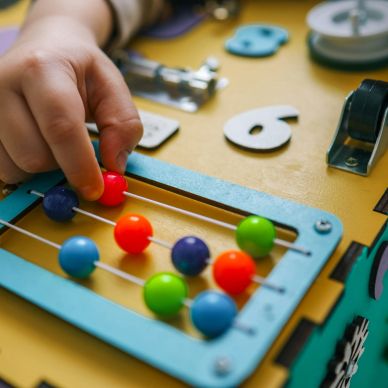
Fine motor skills involve the small muscles of the hands and fingers that allow children to complete everyday tasks with precision and control. These skills are essential for independence, learning, and confidence—especially in school and daily routines.
Signs a Child May Have Fine Motor Difficulties-
- Weak or awkward pencil grasp
- Difficulty using scissors or utensils
- Poor hand strength or endurance
- Messy handwriting or difficulty forming letters
- Avoidance of fine motor tasks
- Trouble with self-care skills like dressing or feeding
visual-motor & visual perceptual skills

Visual-motor and visual-perceptual skills help children make sense of what they see and use that information to guide movement. These skills are essential for learning, play, and everyday tasks—especially in the classroom.
Signs a Child May Have Difficulty with Visual-Motor or Perceptual Skills-
- Struggle with handwriting or letter formation
- Have difficulty copying from the board or a model
- Demonstrate poor spacing or organization on paper
- Avoid puzzles, coloring, or drawing tasks
- Have difficulty catching or throwing a ball
- Become frustrated with classroom tasks